
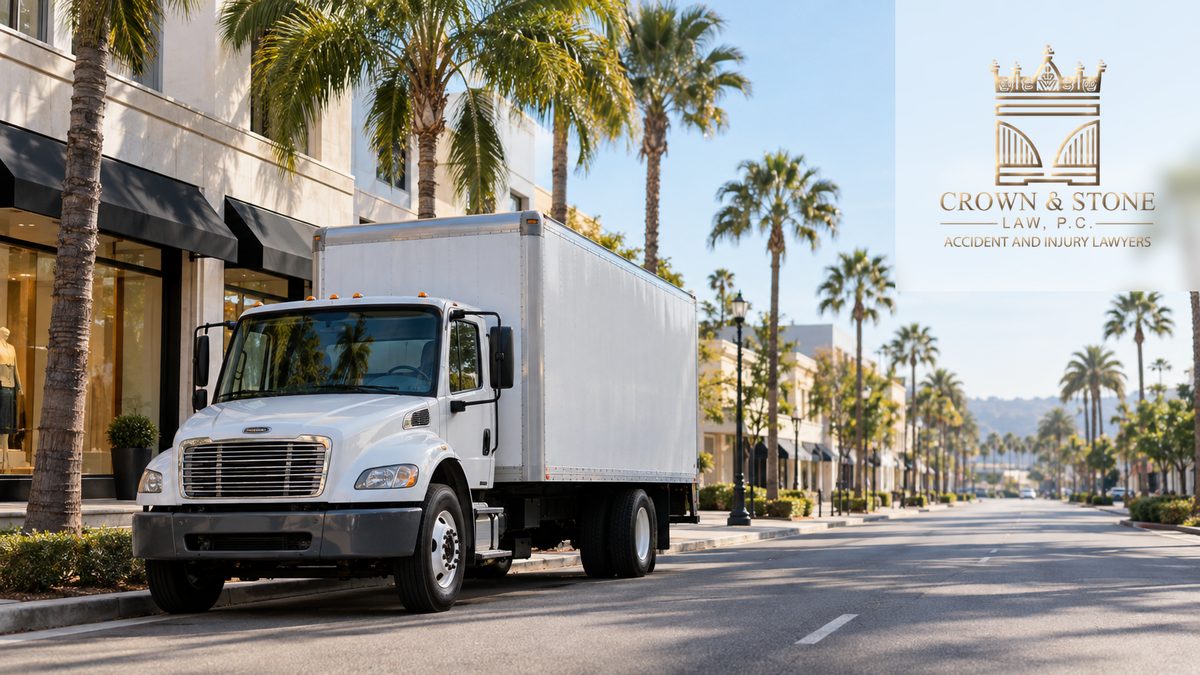
A Tesla Semi caught fire on I-880 in Hayward on Oct. 27, 2026, prompting freeway closures over hazardous-smoke concerns. According to ABC7’s Oct. 28 report, the freeway reopened early that morning, no injuries were reported, and the cause remained unconfirmed. For Beverly Hills readers, this Northern California incident deserves attention – but not a rush to blame the battery manufacturer, maintenance provider, or driver. (abc7news.com)
What the Hayward Reports Actually Confirm
ABC7 reported that the truck caught fire around 5:35 p.m. on Oct. 27 in the southbound lanes near Route 92. Northbound lanes reopened at 8:40 p.m.; southbound lanes reopened around 3:30 a.m. on Oct. 28. The closure addressed a potential smoke hazard, not a confirmed finding that nearby motorists suffered harmful exposure. (abc7news.com)
According to KQED’s reporting, the California Highway Patrol said only the Semi was involved and the driver exited uninjured. KQED also said CHP was still checking reports about the driver’s account. Treat that account as a reported statement, not a fire-cause finding. (kqed.org)
The outlets differ on the full closure’s timing: ABC7 says both directions were closed by 5:45 p.m.; KQED gives 6:33 p.m. That difference should remain visible rather than be replaced with a guessed timeline. (abc7news.com)
A Burning Battery Does Not Identify the First Failure
A collision investigation asks how an impact happened. For this fire, the unanswered questions start elsewhere: Where did ignition begin? What failed first? Did fire damage a component, or did that component start the fire? These are questions to resolve, not findings about this truck.
The National Transportation Safety Board’s 2020 electric-vehicle fire report explains that damaged battery cells can develop thermal runaway – an uncontrolled rise in heat and pressure. Energy left inside a damaged battery can also create shock and reignition risks. Those findings concern fire behavior and responder safety; they do not establish the cause of the Hayward fire. (ntsb.gov)
That distinction matters. A long, difficult response may tell us about the hazard crews faced without telling us who caused it. The U.S. Fire Administration’s July 29, 2025, guidance says there is no single scientifically validated method for extinguishing every type of electric-vehicle fire. Response difficulty alone is a poor shortcut to a defect finding. (usfa.fema.gov)
What Beverly Hills Drivers Can Use From This Incident
Do not turn one truck fire into a verdict on every electric vehicle. The U.S. Fire Administration describes differences in battery chemistry, size, and location across brands, models, and years. Its guidance supports a vehicle-specific response, not assumptions based only on the badge. (usfa.fema.gov)
If you encounter a suspected vehicle battery fire, call 911 and identify the vehicle as electric if you know. Keep away from the vehicle and follow responders’ directions. The Fire Administration’s electric-vehicle response guide addresses electrical hazards, delayed fire, and the need to identify electric vehicles during emergency calls. Do not approach a damaged battery to investigate it yourself. (usfa.fema.gov)
And do not trade safety for evidence. If you already have dashcam footage, keep the original file and write down what you personally saw. Separate observations from guesses: “smoke appeared behind the cab” is different from “the battery was defective.”
The Findings Worth Watching After the Freeway Reopened
As of our Oct. 30, 2026, review, we found no newer confirmed cause determination. ABC7’s Oct. 28 report left the cause unconfirmed, while KQED reported an investigation underway. Reopening the road answered a traffic question, not the question of what started the fire. (abc7news.com)
Any later explanation should address the competing questions separately. Does physical evidence support a manufacturing problem? Do service records show an unresolved condition connected to ignition? Is there evidence that an operator received a warning and responded improperly? These are proposed lines of inquiry, not allegations that any of those events occurred.
Watch for an explanation that connects evidence to the first failure. A photograph of flames cannot answer all those questions. And a finding about how a battery burned should not be mistaken for a finding about why it began burning.
Frequently Asked Questions
Was a collision reported before the Tesla Semi fire?
KQED reported that CHP said only the Semi was involved. Its reporting does not establish a collision as the event that started the fire. (kqed.org)
Has a battery defect been confirmed?
No confirmed defect finding appeared in the reporting reviewed for this post on Oct. 30, 2026. ABC7 said the exact cause remained unconfirmed; a report that the battery burned is not the same as a finding that a manufacturing defect started the fire. (abc7news.com)
Can a damaged electric-vehicle battery remain hazardous after flames stop?
Yes. The NTSB explains that energy remaining in a damaged battery can create electric-shock and reignition risks. That is general safety guidance, not a finding that this truck reignited. (ntsb.gov)
Separate the Fire Evidence From Assumptions
At Crown & Stone Law, P.C., Avi Muhtar works directly with clients and explains the evidence in plain English. For someone injured in a separate incident, we examine the records relevant to California truck accident claims or claims involving burn injuries, without treating a fire as automatic proof of fault. This post does not suggest an existing injury claim from the Hayward incident.
Sources
- I-880 in Hayward reopens after Tesla semi-truck bursts into flames (ABC7 San Francisco, 2026-10-28)
- Interstate 880 in Hayward Reopens After Tesla Semitruck Fire, CHP Says (KQED, 2026-10-28)
- Safety Risks to Emergency Responders from Lithium-Ion Battery Fires in Electric Vehicles (National Transportation Safety Board, 2020-11-13)
- Emergency Response to Electric Vehicle (EV) Incidents (U.S. Fire Administration, 2025-07-29)
- Electric Vehicle Fire/Rescue Response Operations (U.S. Fire Administration, 2025-07-29)