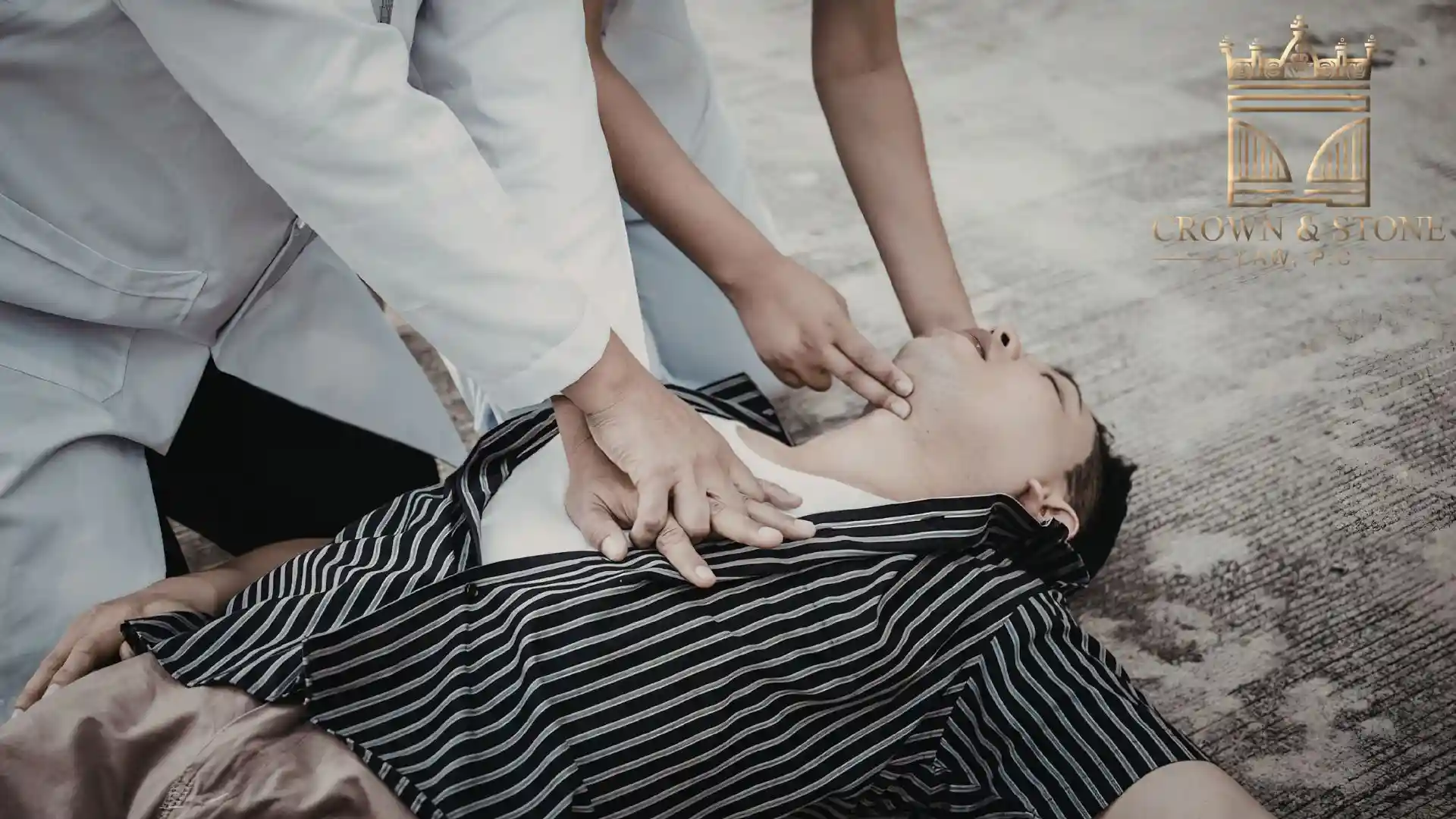


You don’t buy a ticket to a music festival expecting your weekend to end in an emergency room. When the highly curated illusion of safety at events like Coachella shatters, you are suddenly thrust into a chaotic aftermath of medical bills, missed work, and physical pain.
Right now, you might be wondering if that stage barricade was supposed to give way, if the lighting rig was properly secured against the Palm Springs wind, or, perhaps most commonly, if the venue will try to blame you for simply being in the wrong place at the wrong time.
At Crown & Stone Law, P.C., our concert injury lawyers know that injuries at large-scale entertainment events are rarely just “bad luck.” They are almost always the result of a quantifiable failure in safety protocols. We’ll help you evaluate the true strength of your claim and make informed decisions about your next steps.
Key Takeaways
- Injuries at large entertainment venues often stem from preventable safety failures such as barricade breaches, rigging collapses, and dangerous walkway conditions rather than mere accidents.
- California’s pure comparative fault rule can still allow an injured person to recover damages even if they were partially responsible for the incident.
- Preserving evidence quickly, including incident plans, security footage, and maintenance records, is critical to building a strong premises liability claim after an event injury.
Understanding Venue Liability
Research indicates that rock concerts and massive music festivals see a median trauma load of 2.1 patients per 1,000 attendees (PPTT), with trauma complaints making up to 76% of all medical incidents at these events.
To put that in perspective, Coachella alone has recorded six fatalities since the late 1990s, alongside countless severe, life-altering injuries.
When an injury occurs, venue operators and promoters often hide behind the inherent chaos of massive crowds. But under California Civil Code, everyone is responsible for injuries caused by their want of ordinary care or skill in the management of their property.
This means a venue owner cannot just claim that a festival is an unpredictable environment. They have a strict, non-negotiable legal duty to anticipate hazards, inspect temporary structures, and protect attendees from foreseeable harm.
3 Common Types of Concert Venue Claims
Here are the 3 most common types of concert injuries:
1. Structural Failures and Barricade Breaches
Concert barricades are engineered to withstand massive, synchronized crowd surges. When a stage barricade “bursts” or collapses, causing crushing injuries or severe lacerations, it is almost never the fault of the crowd.
It is typically a failure in the venue’s duty to inspect welds, properly anchor the structures, or adhere to the venue’s own capacity limits.
2. Atmospheric Hazards and Rigging Collapses
Outdoor California festivals, particularly those in the Coachella Valley, are subject to intense, predictable environmental shifts. Palm Springs winds can easily convert a “temporary structure” into a deadly projectile.
We saw this recently during the 2024 John Summit set at Coachella, where a lighting fixture collapsed into the crowd. Venues know how wind speeds of 20mph affect lighting rig stability. Failing to lower or secure these rigs when wind speeds peak is a direct breach of their duty of care.
3. “Hot Zones”
While stage collapses make the news, devastating injuries frequently occur in festival “hot zones.” These include poorly managed hydration stations that turn into massive slip-and-fall hazards, unlit pathways leading to shuttle loading zones, and uneven, poorly graded terrain hidden by inadequate event lighting.
If a venue invites 100,000 people onto a polo field, they are legally obligated to confirm every walkway is safe for foot traffic.
Understanding California’s Pure Comparative Fault
Here is what you need to know about California law: We operate under a “Pure Comparative Fault” system.
Even if you were somehow partially responsible for your fall, it does not bar you from recovering significant financial damages. Under this rule, a plaintiff could theoretically be 90% at fault and still recover 10% of the total damages from a negligent venue.
Consider the landmark precedent set by a recent Los Angeles jury involving a stage-dive at a Skrillex concert. An attendee was severely injured when the artist leapt into the crowd. The venue argued that they couldn’t control the artist and that the fan voluntarily stood in the front row.
The jury disagreed. They found the venue 10% liable for failing to manage the risk, resulting in a $450,000 judgment against the venue alone. This proves that even when you accept the “voluntary” risks of a concert, the venue is never absolved of its duty to implement baseline safety measures.
Attending for Work? The Exclusive Remedy Rule vs. Third-Party Claims
If you were injured while working at a festival, whether as a vendor, security personnel, or a corporate attendee at a VIP brand activation, your legal path is highly nuanced.
Typically, workplace injuries fall under the “exclusive remedy” rule of Workers’ Compensation, which covers medical bills and lost wages but bars you from suing your employer for pain and suffering. However, festivals are multi-party ecosystems.
If your injury was caused by a defective stage built by an independent contractor, or unsafe premises maintained by the promoter, we can pursue a Third-Party Liability Claim. This allows you to step outside the limitations of Workers’ Comp and seek full damages from the negligent venue or vendor.
The Evidence You Need Right Now
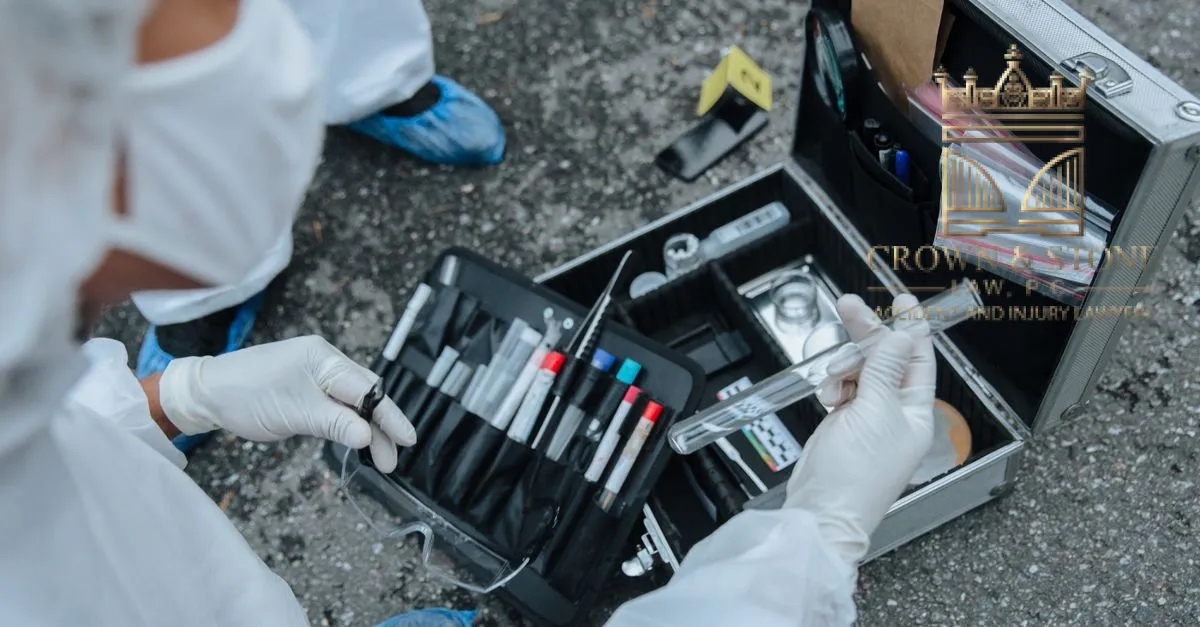
If you are evaluating whether you have a viable claim, preserving evidence is the single most critical step you can take today. Large promoters move quickly to dismantle stages, clean up hazards, and erase the footprint of an incident.
To build a compelling case, we immediately work to secure:
- Incident Action Plans (IAPs): The master documents detailing exactly how the venue planned to handle crowd control and structural safety for that specific weekend.
- Security Footage Retention: Venues will overwrite camera footage quickly. We issue legal preservation letters to make sure all angles of your incident are locked down.
- Maintenance Logs: Specifically for temporary lighting rigs, staging, and flooring.
Evaluating Your Next Steps with Crown & Stone Law
Handling the aftermath of a severe concert injury is overwhelming, especially when you are up against massive entertainment conglomerates and their teams of defense lawyers. You need an advocate who understands the highly technical nature of venue premises liability.
If you are ready to take definitive action, you need an elite legal team that knows exactly how to expose the venue’s failures. Reach out to Crown & Stone Law today for a confidential evaluation of your festival injury claim.