
If you are evaluating your legal options after a severe rideshare accident, you know that determining whether the driver was “offline” or in “Period 1, 2, or 3” dictates which insurance policy applies.
But if you suspect your accident was caused by a driver who was exhausted, impaired, or frantically tapping their phone screen, you are likely looking for a legal strategy that goes deeper than a standard insurance claim.
Most generic personal injury firms approach rideshare crashes as simple cases of driver negligence. They look at the police report, file a claim against the driver’s policy, and push for a quick settlement. However, litigating personal injury matters requires a fundamentally different approach. To maximize a case’s value we must shift the narrative from driver error to software-induced negligence.
At Crown and Stone, we uncover the truth, proving that the rideshare app’s design inherently encourages distraction, ignores extreme fatigue, and pushes drivers past safe operational limits.
Key Takeaways
- Rideshare accident claims require looking beyond simple driver negligence to determine whether app design, rating pressure, or corporate policies contributed to the crash.
- Digital evidence such as app logs, phone motion data, trip history, and multi-platform driving records can help prove distraction, fatigue, or unsafe rideshare practices.
- Acting quickly is critical because telematics data, server logs, and other forensic evidence may be deleted or overwritten after the crash.
Moving from “Driver Negligence” to “Corporate Complicity”
Rideshare giants like Uber and Lyft rely heavily on the “Independent Contractor” defense. They position themselves merely as software providers, insulating their corporate assets from the actions of individual drivers. Overcoming this defense requires playing chess, not checkers.
When a driver is distracted, drunk, or fatigued, the legal strategy must connect the driver’s behavior directly to the app’s structural demands.
By proving that the software effectively mandated the dangerous behavior, victims can unlock pathways to holding the corporate entities directly accountable, often opening the door to punitive damages and significantly higher case valuations.
Proving the App Caused the Crash
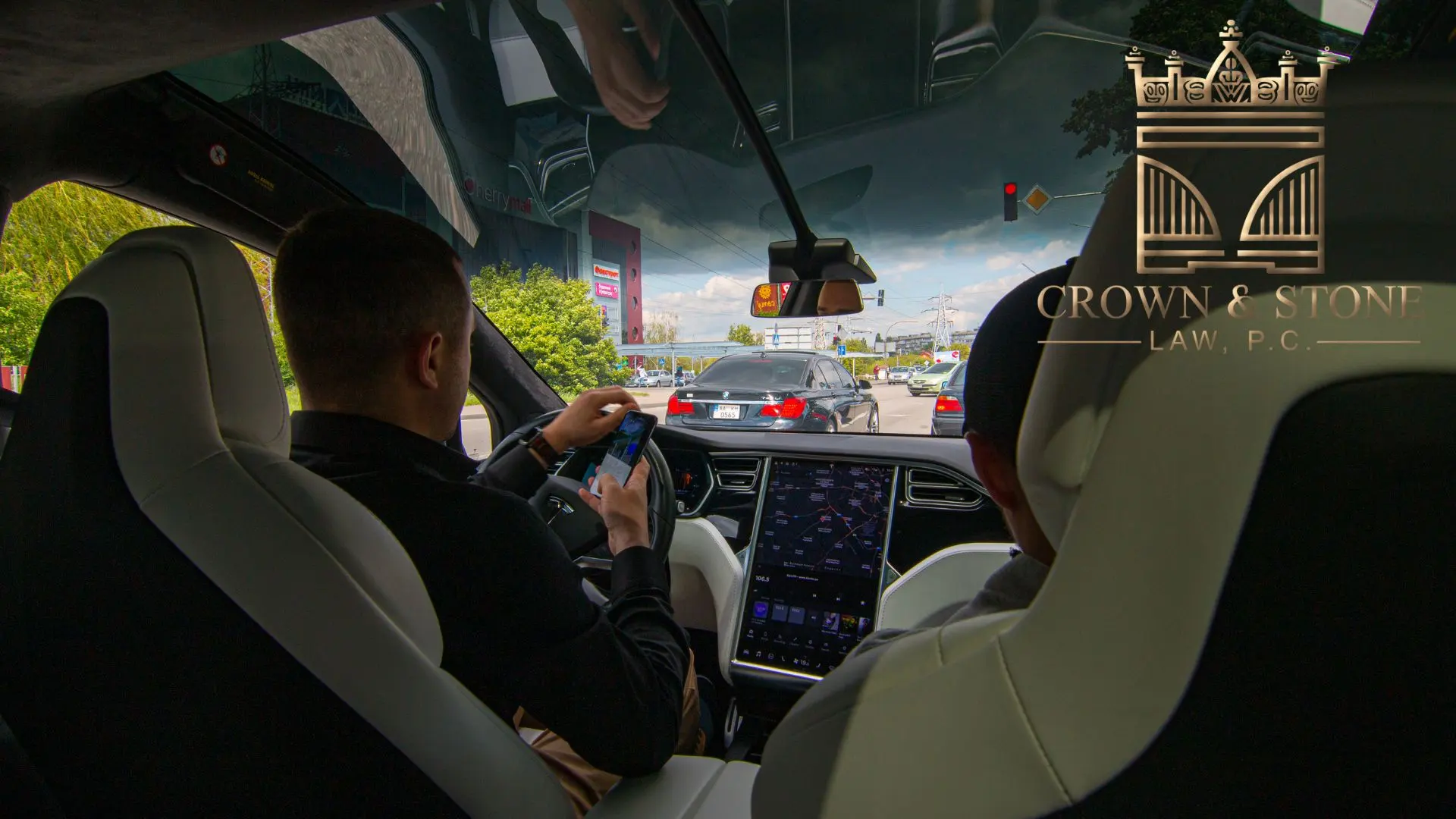
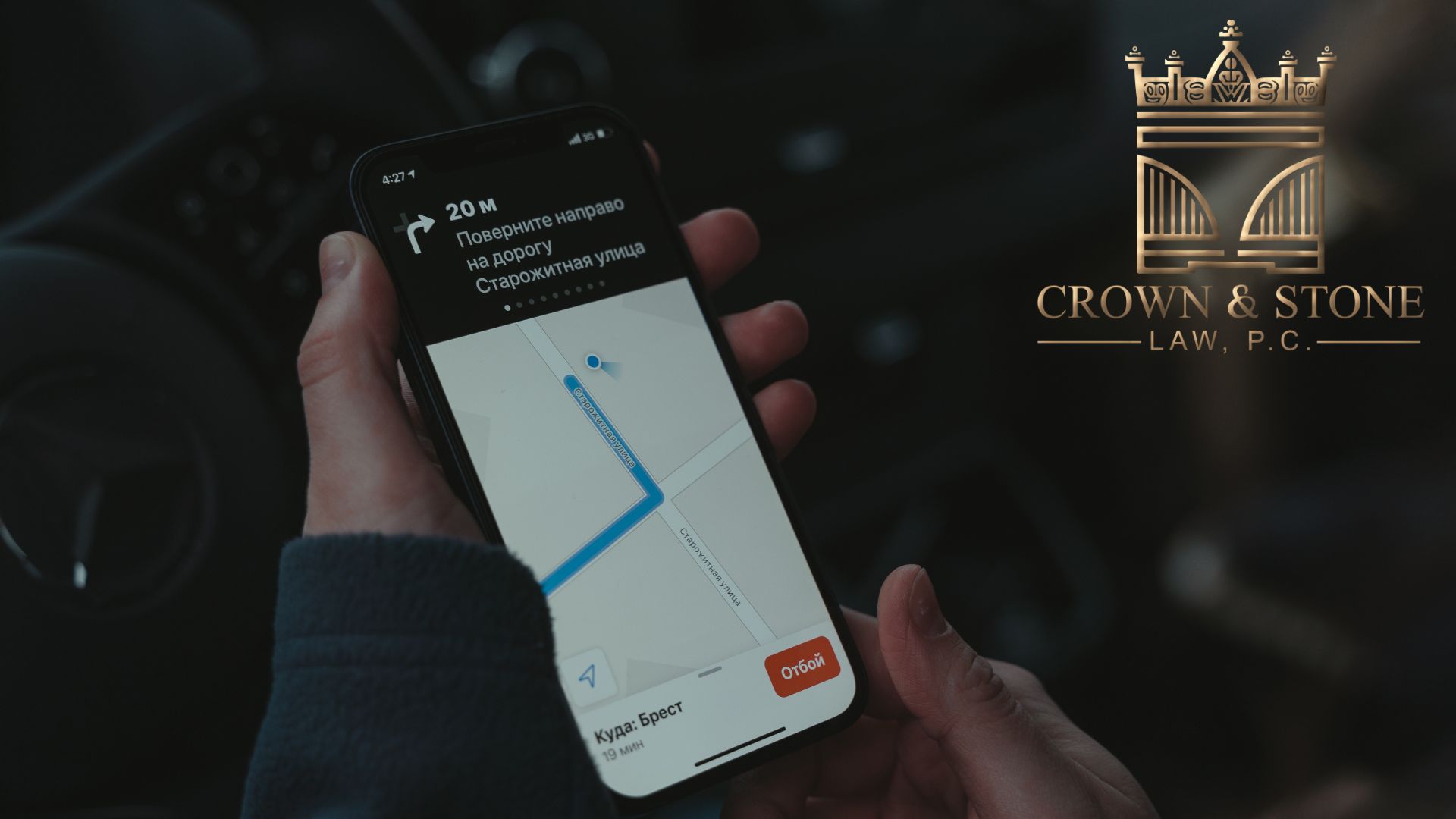
Rideshare apps are engineered to demand continuous visual and manual engagement. Features like “Trip Radar” and “Surge Alerts” act as digital sirens, forcing drivers to take their eyes off the road to secure their next paycheck.
To prove this level of distraction in a California court, a seasoned litigator will subpoena digital forensics.
Visual Distractions Checklist
The danger of app-based distraction is not theoretical. In a landmark National Transportation Safety Board (NTSB) investigation (Report HWY18MH010) into a fatal rideshare crash, investigators found that the safety driver was visually distracted for 5.2 out of the 5.7 seconds leading up to the impact.
To replicate this level of forensic precision in your case, we execute a highly specific evidentiary checklist:
- Telematics and “Motion & Fitness” Subpoenas: We demand the raw accelerometer and gyroscope data from the driver’s smartphone, revealing exactly when the phone was picked up, tilted, or swiped.
- App Status Correlation: We cross-reference the exact millisecond of the collision with the app’s internal logs to prove the driver was interacting with a surge map or accepting a queued ride precisely when they should have been braking.
- Surge Map Analysis: By analyzing localized surge pricing data at the time of the crash, we can demonstrate “financial duress”, proving the app intentionally sent distracting notifications to lure a driver toward a high-demand zone.
The Hidden Danger of Driver Fatigue and Multi-App Rideshare Work
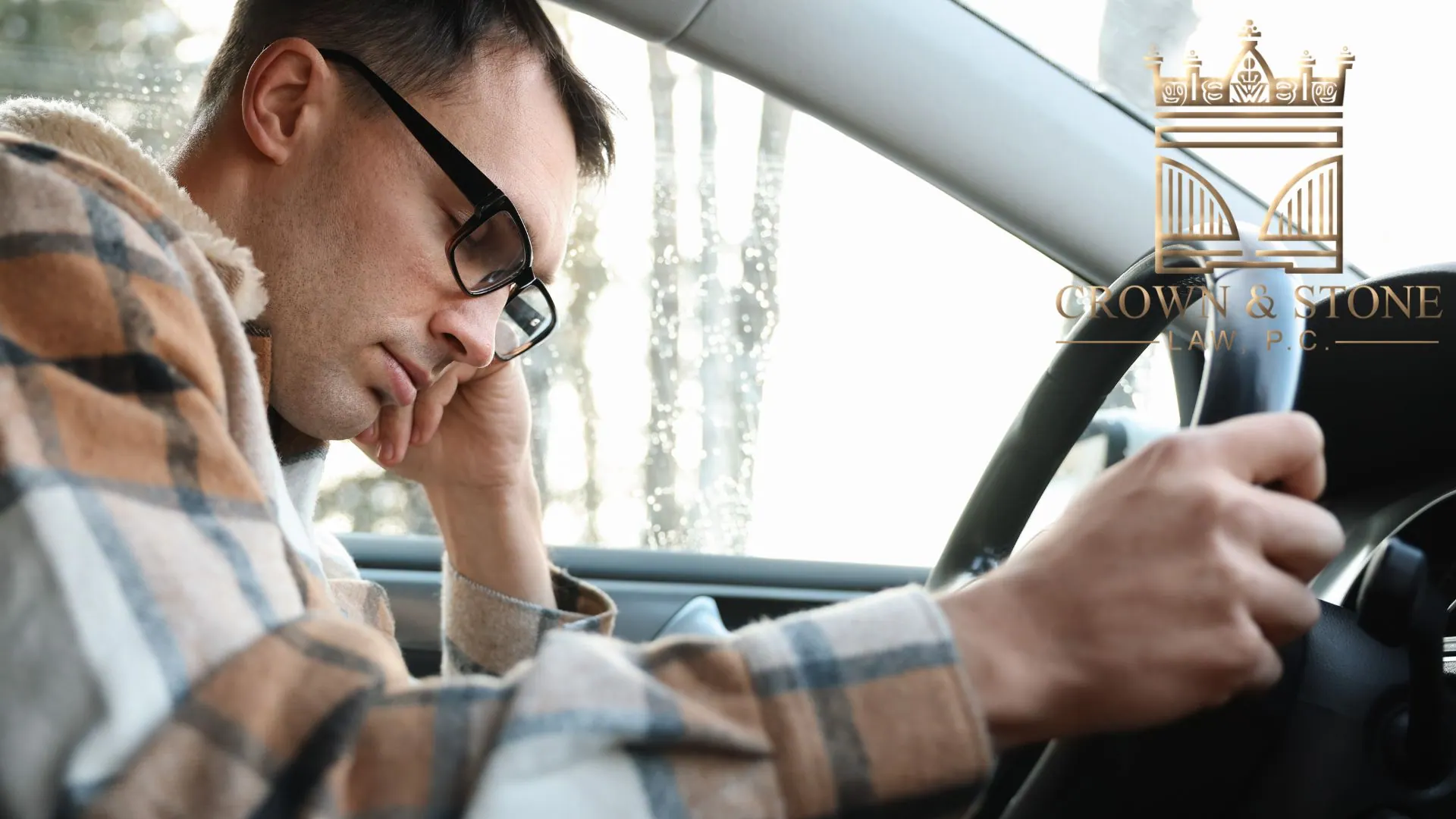
Driver fatigue is a pervasive, hidden epidemic in the gig economy. Rideshare companies frequently tout their “12-hour driving limit” as proof of their commitment to safety. The app automatically locks out a driver who has been online for 12 consecutive hours.
However, this is largely theater.
As openly discussed on driver forums like Reddit’s r/uberdrivers, gig workers routinely utilize the “multi-apping loophole.” When Uber locks them out, they simply open the Lyft app and continue driving. A driver who falls asleep at the wheel may have only been logged into their current app for two hours, but they could be on hour 16 of a multi-app marathon.
Uncovering this requires a law firm with the resources and experience to dig deeper:
- We routinely subpoena login and trip logs from all major gig platforms, not just the one involved in the crash.
- We cross-examine the driver’s digital footprint to establish a comprehensive timeline of their waking and working hours.
- We use this evidence to argue that rideshare companies intentionally turn a blind eye to multi-apping, prioritizing fleet availability over passenger and public safety.
Impaired Driving: What You Need to Know
When a standard motorist gets behind the wheel after drinking, the legal blood alcohol concentration (BAC) limit in California is 0.08%. However, rideshare drivers operating with a passenger are held to a much stricter standard.
Because they are transporting passengers for hire, rideshare drivers in California are often subject to the commercial driving standard, which lowers the legal BAC limit to 0.04%.
Many inexperienced attorneys miss this critical distinction. A driver who blew a 0.05% might not face criminal DUI charges as a private citizen, but they are absolutely legally impaired while operating as a rideshare driver.
Showing this 0.04% threshold is necessary for establishing negligence, fast-tracking the liability phase of your case, and opening avenues for punitive damages against a driver who chose to monetize their impaired judgment.
Understanding Rating Systems and Erratic Driving
Have you ever wondered why a rideshare driver suddenly slammed on the brakes to make an illegal U-turn, or swerved across three lanes of traffic to make an exit? Often, it is a direct result of the 5-star rating system.
Drivers exist under the constant threat of platform deactivation. Dropping below a 4.6-star rating can mean losing their livelihood. This intense pressure cooker forces drivers to perform dangerous stunts, like speeding to make up for lost time, stopping in active traffic lanes for convenient drop-offs, or bypassing safety protocols to appease demanding passengers.
In litigation, positioning the rating system as a mechanism of corporate control helps dismantle the “independent contractor” defense. It proves the company exerts immense power over the driver’s methods, making the corporation liable for the dangerous maneuvers that rating pressure induces.
The Next Steps in Your Evaluation
Rideshare accidents involving severe injuries, such as traumatic brain injuries, spinal cord trauma, or amputations, require an aggressive, personalized legal strategy crafted by advocates with extensive experience litigating high-stakes matters against massive corporate defense teams.
You need a firm that understands how to pull back the curtain on the gig economy’s safety theater, utilizing advanced evidentiary tactics to maximize your case value. Furthermore, this level of elite representation should never add to your financial burden.
If you or a loved one has suffered due to a distracted, impaired, or fatigued rideshare driver, the time to secure forensic evidence is right now. Telematics data gets overwritten, and server logs can be purged. Protect your rights, demand accountability, and make sure your recovery is backed by uncompromising legal excellence.